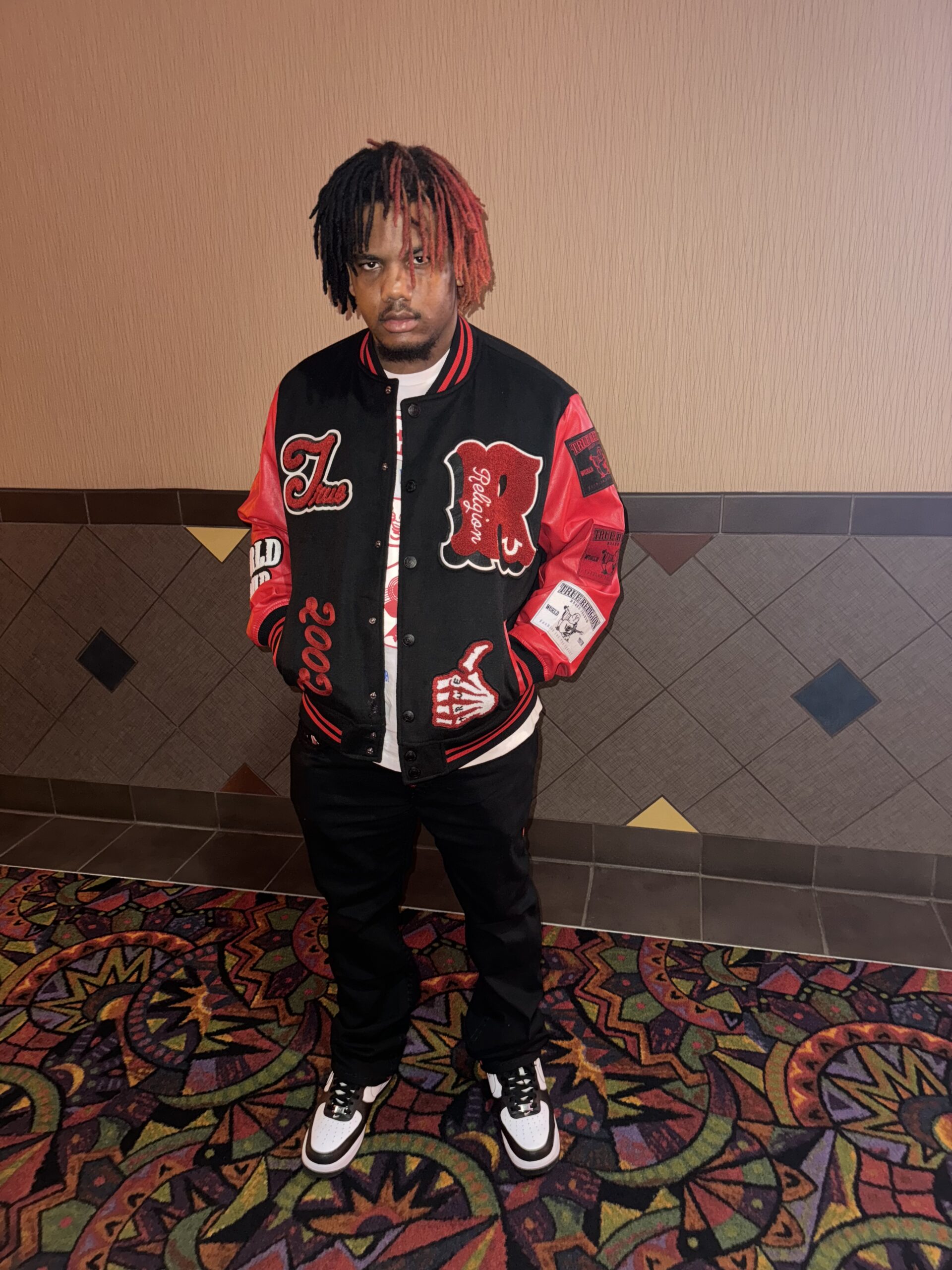
In the music industry, there's a common trap: artists build catalogs worth real money, but they can't access that value because it's locked inside slow-dripping royalty streams. They own something valuable. They just can't use it.
Publishing buyouts change that equation.
Darkrose — the independent artist from Nashville, Tennessee, who has surpassed 50 million streams across his catalog of cloud rap, indie folk, and R&B — recently completed a $70,000 writer's share publishing buyout through Duetti. That single transaction gave him immediate capital to reinvest in his career at a critical moment.
What a Publishing Buyout Actually Is
A publishing buyout is a financial transaction where a company purchases some or all of an artist's publishing rights — typically the writer's share — in exchange for an upfront lump sum. The buyer acquires the right to collect future royalties from the catalog. The artist receives immediate capital.
It's not a loan. It's not an advance that needs to be recouped. It's a sale of a specific revenue stream at an agreed-upon valuation.
Duetti is one of the companies that specializes in these transactions for independent artists. Unlike traditional label deals that bundle publishing with recording contracts (often at unfavorable terms), Duetti's model focuses specifically on the publishing asset — giving artists a clean, transparent transaction.
Darkrose's $70,000 Deal
Darkrose entered the industry officially in 2021. By his own account, he started making music at 15, worked to help his parents pay bills, and self-funded his music videos and live shows. Four years to hit his first million streams. No label marketing. No industry connections. Just Nashville independence and a catalog that kept growing.
By the time he'd surpassed 50 million streams with hundreds of songs spanning multiple genres, his writer's share had accumulated meaningful value. The catalog wasn't just art — it was a financial asset generating recurring income through performance royalties (streaming, radio, venue play), mechanical royalties (reproduction), and sync royalties (film, TV, advertising).
Duetti's $70,000 buyout for his writer's share wasn't based on potential. It was based on demonstrated streaming performance, catalog diversity, and projected future earnings. Darkrose's genre-spanning catalog — touching cloud rap, indie folk, and R&B with tracks like "Love is Beautifully Painful" — actually increases buyout valuation because genre diversity reduces revenue concentration risk.
Why This Matters for Independent Artists
The traditional music industry model tells artists to wait. Wait for royalties to accumulate. Wait for a label to offer an advance. Wait for a sync placement to hit. Wait, wait, wait — while your career needs capital now.
Publishing buyouts bypass the waiting game. Here's why more independent artists should be paying attention:
Immediate Capital for Career Investment
$70,000 isn't just a check. It's a studio budget, a tour fund, a marketing campaign, or a down payment on the next phase of your career. For an independent artist operating without label support, that kind of capital can be the difference between grinding and scaling.
No Recoupment
Unlike label advances — which are essentially loans that the label recoups from your future earnings before you see another dollar — a publishing buyout is a completed sale. The money is yours. There's no clawback, no recoupment schedule, no invisible debt hanging over your career.
Validation of Your Catalog's Worth
A publishing buyout is the market telling you your music has real, quantifiable value. Darkrose's 50 million streams weren't just vanity metrics. They translated directly into a five-figure financial transaction. That's not industry speculation — that's the market speaking.
Your catalog is more than music. It's an asset. Treat it like one.
— GE Music Group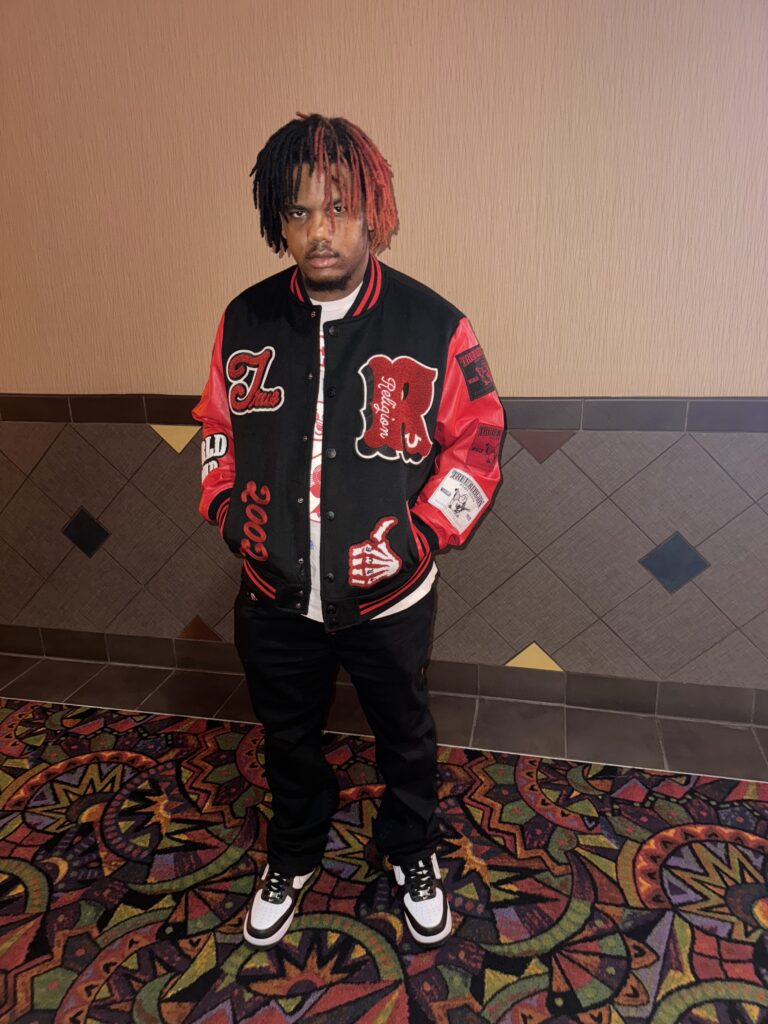
Duetti Publishing Buyout — Clean Transaction. Immediate Capital. No Strings.
Strategic Timing
The smartest artists use buyouts at inflection points — moments when immediate capital creates more value than the royalty stream would over the same period. If $70,000 today funds a tour that generates $200,000 in ticket and merch revenue, the buyout wasn't a loss. It was leverage.
How to Position Yourself for a Publishing Buyout
Not every catalog qualifies for a meaningful buyout. Here's what companies like Duetti evaluate:
- Consistent streaming performance. Not viral spikes — sustained, recurring streams across your catalog.
- Proper registration. Every song must be registered with your PRO (ASCAP, BMI, or SESAC) and the MLC. Unregistered songs are invisible to buyers.
- Clean ownership. Your writer's share must be unencumbered — not already assigned to a publisher or co-writer in a way that creates legal complications.
- Catalog diversity. A single viral hit is risky for buyers. A diverse catalog across genres, release dates, and revenue sources is more attractive.
- Growth trajectory. Buyers want catalogs that are growing, not declining. Consistent new releases and growing monthly listeners signal upward momentum.
The Bigger Picture
Darkrose's $70,000 buyout through Duetti is one transaction — but it represents a structural shift in how independent artists can access capital. The old model required signing to a label and giving up control. The new model lets artists monetize what they've already built, on their own terms.
Combined with GE Music Group's distribution infrastructure, these tools give independent artists something that was previously reserved for label-signed acts: financial flexibility without creative compromise.
Your catalog is more than music. It's an asset. Treat it like one.
GE Music Group works with independent artists to structure funding and catalog deals. Explore our funding program · Read: How Dxntemadeit Secured a quarter million · Choosing the right distributor to set this up